





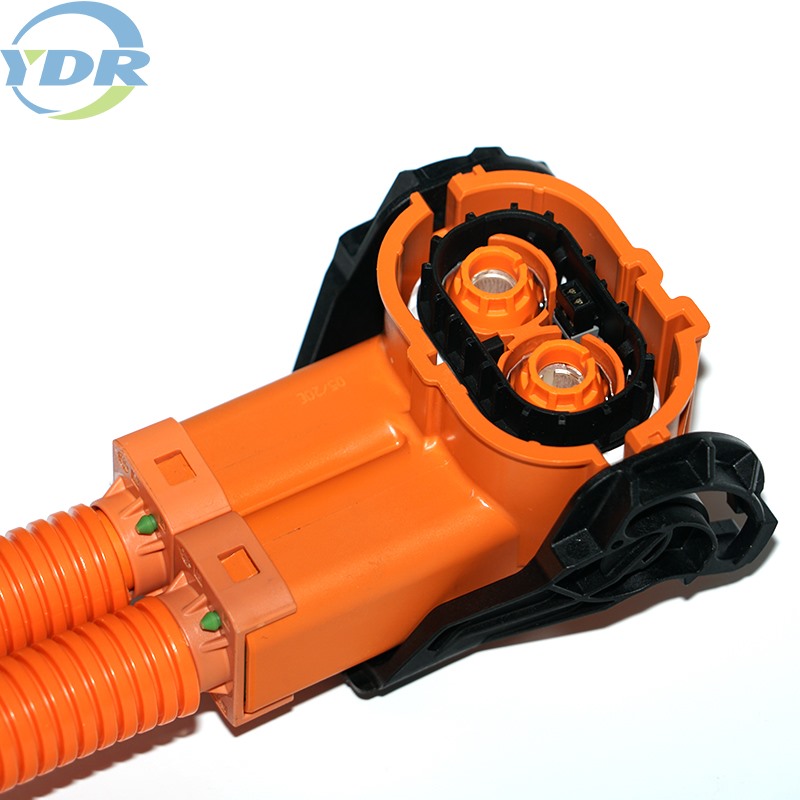
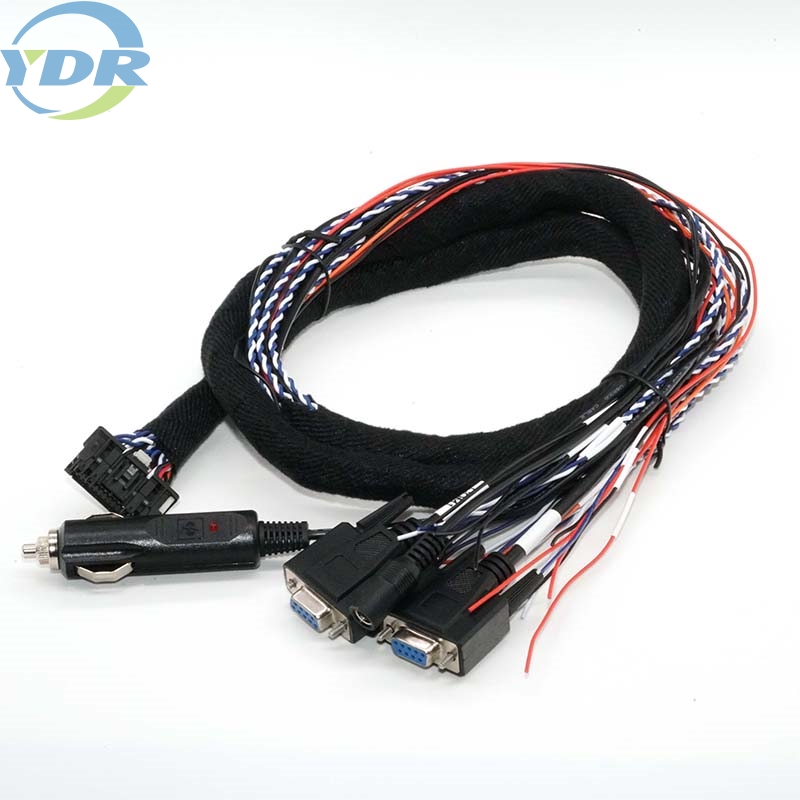
Abstract: The internal wiring harness is a crucial component in modern electrical systems, ensuring reliability, organization, and safety. This article explores how internal wiring harnesses work, their benefits, design considerations, maintenance tips, and common issues. It is designed to guide engineers, technicians, and enthusiasts toward making informed decisions when selecting and maintaining wiring harnesses for vehicles, machinery, and other electronic systems.
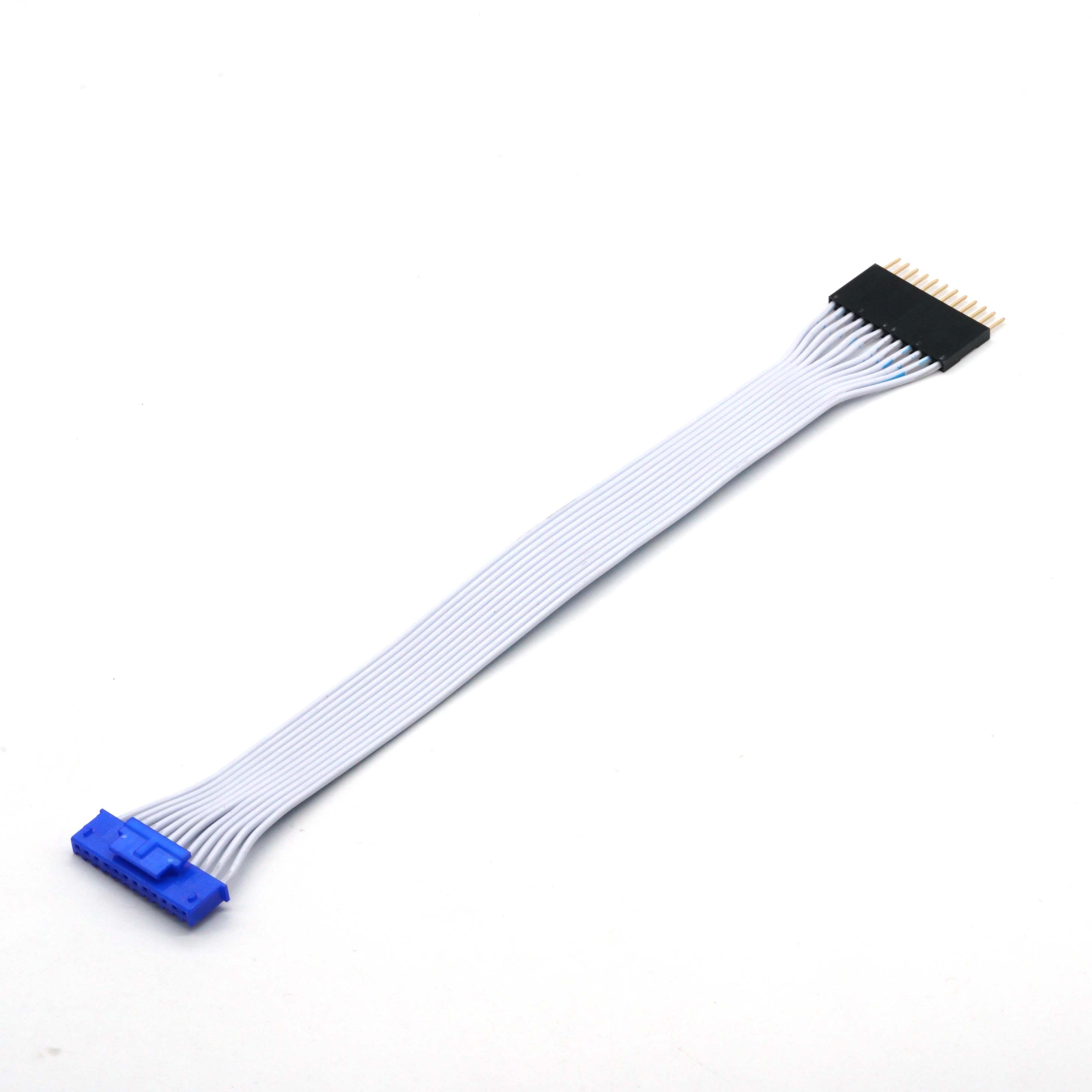
Table of Contents
- What is an Internal Wiring Harness?
- Benefits of Using Internal Wiring Harnesses
- Design Considerations
- Materials and Components
- Installation Best Practices
- Common Issues and Troubleshooting
- Maintenance Tips
- Frequently Asked Questions
What is an Internal Wiring Harness?
An internal wiring harness is an assembly of electrical wires, connectors, terminals, and protective sleeves designed to transmit electrical power and signals within a device or vehicle. It replaces individual loose wires, providing a compact and organized structure that simplifies installation, reduces errors, and improves system reliability.
- Organizes multiple wires into a single assembly.
- Reduces installation time and complexity.
- Improves electrical performance and safety.
Benefits of Using Internal Wiring Harnesses
Internal wiring harnesses offer multiple advantages for both manufacturers and end-users. These include:
| Benefit | Description |
|---|---|
| Enhanced Reliability | Reduces the risk of loose connections and electrical faults. |
| Space Efficiency | Bundles wires neatly to save space and improve airflow in devices. |
| Maintenance Friendly | Makes inspection and repair faster with clear routing. |
| Cost Savings | Reduces production and assembly costs by simplifying installation. |
Design Considerations
Designing an internal wiring harness requires careful attention to several factors to ensure optimal performance:
- Electrical Load: Ensure wire gauge and connectors handle the intended current.
- Flexibility: Harnesses should withstand vibration and movement without damage.
- Environmental Conditions: Choose insulation and protective materials suitable for temperature, moisture, and chemical exposure.
- Connector Quality: Use reliable connectors to prevent loose connections and corrosion.
Materials and Components
Common materials used in internal wiring harnesses include:
- Wires: Copper or aluminum conductors with PVC or Teflon insulation.
- Connectors: Plastic or metal connectors for secure and detachable connections.
- Protective Sleeves: Braided or corrugated tubing to prevent abrasion and mechanical damage.
- Terminals: Crimped or soldered ends to ensure solid electrical contact.
At YDR, we ensure every internal wiring harness meets rigorous standards using premium materials for long-lasting performance.
Installation Best Practices
Proper installation is critical to harness performance. Follow these tips:
- Plan the routing path before securing the harness.
- Avoid sharp bends and excessive tension.
- Use clips and ties to secure harnesses without pinching wires.
- Double-check connectors and terminals for secure contact.
- Label wires for easy identification during maintenance.
Common Issues and Troubleshooting
Even well-designed harnesses may face occasional issues:
- Loose Connections: Caused by vibration or improper crimping; inspect and reseat connectors.
- Wire Breakage: Often due to bending stress; check for exposed or frayed wires.
- Short Circuits: Can result from insulation damage; locate and repair damaged sections immediately.
- Corrosion: Moisture can corrode connectors; apply protective coatings or replace affected parts.
Maintenance Tips
Regular maintenance ensures the longevity of internal wiring harnesses:
- Inspect harnesses periodically for wear and tear.
- Keep the harness clean from dust and chemical residues.
- Replace damaged sections immediately to prevent system failure.
- Use diagnostic tools to check continuity and voltage drops.
Frequently Asked Questions
- Q: How do I know which internal wiring harness is suitable for my system?
- A: Consider the electrical load, environmental conditions, and device compatibility. Consult YDR’s technical specifications for guidance.
- Q: Can internal wiring harnesses be customized?
- A: Yes, YDR offers tailor-made solutions to fit unique equipment requirements.
- Q: How often should a wiring harness be inspected?
- A: Routine inspections every 6–12 months are recommended, especially in high-vibration environments.
- Q: What is the typical lifespan of a high-quality internal wiring harness?
- A: When properly maintained, YDR internal wiring harnesses can last 10 years or more, depending on usage conditions.
Internal wiring harnesses are more than just bundles of wires—they are the backbone of reliable electrical systems. With careful design, proper materials, and regular maintenance, they can drastically improve performance and reduce downtime. YDR specializes in high-quality internal wiring harnesses that meet the highest standards for reliability and durability.
Explore our products here: YDR Internal Wiring Harness
Ready to enhance your system’s performance? Contact us today for a consultation or to request a quote!